

Everyone says SEO is about keywords and backlinks. That’s what the gurus have been preaching since 1998, and it’s what most businesses still chase today. Here’s the uncomfortable truth: focusing on those alone is like trying to win a Formula 1 race with a great engine but no steering wheel. You’ll make noise, sure, but you won’t actually get anywhere meaningful.
The real SEO fundamentals that move the needle in 2025 go far deeper than stuffing keywords or buying backlinks from shady providers. You need a foundation that Google’s algorithms actually respect – technical infrastructure that works, content that serves genuine intent, and signals that tell search engines you’re the real deal. Think of it this way: Google processes 8.5 billion searches daily, and their AI is getting scary good at separating authentic expertise from keyword-stuffed fluff.
What does this mean for your site? You’re about to discover the core components that actually matter, the tools you genuinely need (hint: it’s not the $500/month suite everyone’s selling), and how to build authority without playing dangerous games with your domain’s reputation. Let’s cut through the noise.
Core Components of SEO Fundamentals
1. Technical SEO Infrastructure
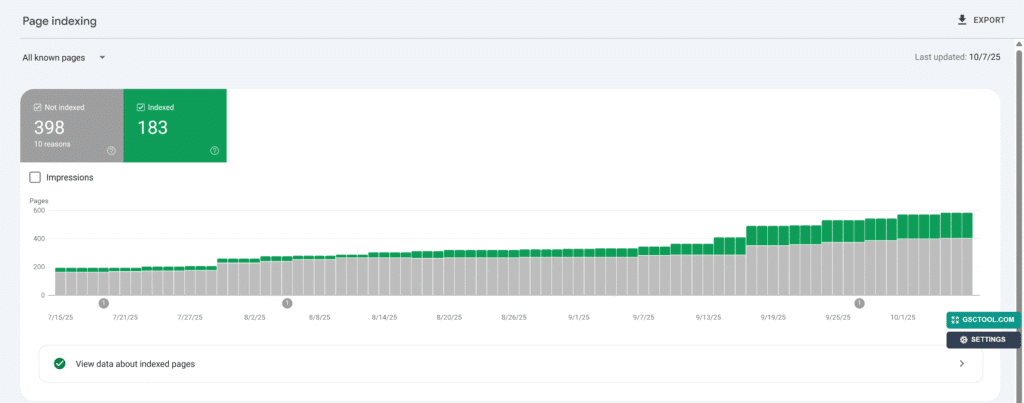
Your technical foundation determines whether search engines can even find and understand your content in the first place. Most sites fail here before they even get to keywords. The brutal reality? Google’s crawlers spend exactly 3.7 seconds deciding if your site is worth indexing properly.
To understand SEO fundamentals, it’s important to first grasp how search engines work – from crawling and indexing to ranking algorithms that decide what appears on the first page.
Start with site speed – if your pages take more than 2.5 seconds to load, you’ve already lost 40% of potential visitors and tanked your Core Web Vitals scores. Run your site through PageSpeed Insights right now. Anything below 90 on mobile? Fix it.
Your site architecture needs to make sense to both humans and bots. Here’s what actually matters:
- XML sitemap that updates automatically (not the one you submitted in 2019 and forgot about)
- Robots.txt file that doesn’t accidentally block important pages
- Clean URL structure without five layers of subdirectories
- Mobile-first responsive design (67% of searches happen on phones)
- HTTPS security certificate – non-negotiable since 2018
2. On-Page Optimization Elements
On-page optimization isn’t about cramming keywords everywhere anymore. Google’s BERT and MUM algorithms understand context and user intent better than most SEO “experts” do. Your job is making each page crystal clear about its purpose.
Title tags still matter enormously – they’re your first impression in search results. Keep them under 60 characters, front-load your primary keyword naturally, and make them clickable. “10 Best Coffee Makers 2025” beats “Coffee Makers | Best Coffee Makers | Buy Coffee Makers Online” every single time.
Meta descriptions don’t directly impact rankings, but they absolutely affect click-through rates. You get 155 characters to convince someone to click. Make them count. Include your keyword, but write for humans who are scanning ten blue links.
Note: Modern SEO isn’t just about keywords anymore; semantic search in SEO helps Google understand the intent and relationships between words.
| Element | What Google Sees | What Actually Works |
|---|---|---|
| H1 Tag | Primary topic signal | One per page, matches search intent |
| Header Hierarchy | Content structure | H2s for main sections, H3s for subsections |
| Image Alt Text | Context and accessibility | Descriptive, not keyword-stuffed |
| Internal Links | Site architecture signals | 3-5 contextual links per 1000 words |
3. Content Creation and Optimization
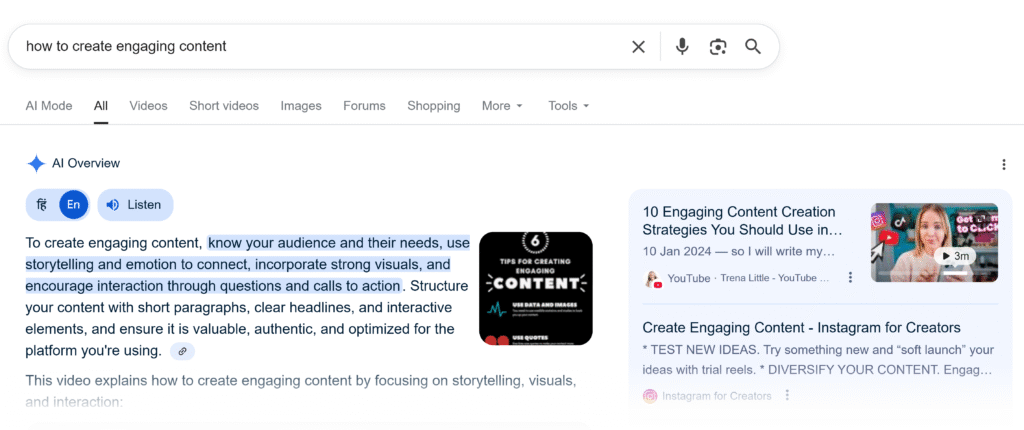
Content is still king, but the throne has gotten a lot harder to claim. You’re not just competing with other websites anymore – you’re competing with AI Overviews, Featured Snippets, and People Also Ask boxes that steal 65% of clicks before anyone even sees traditional results.
The winning formula? Comprehensive content that actually answers the question. Not 300-word blog posts that dance around the topic. Google’s helpful content update specifically targets thin, unhelpful pages.
But here’s what drives me crazy: everyone thinks “comprehensive” means “long.” Wrong. It means covering every angle your reader needs, whether that takes 800 words or 3,000. Some queries need quick answers. Others need detailed guides. Match the intent, not some arbitrary word count.
Before targeting any term, focus on identifying keyword intent to ensure your content matches what users are actually searching for.
Your content optimization checklist:
- Answer the primary search query within the first 150 words
- Include semantic keywords and related terms naturally
- Add original data, examples, or insights (not just rewritten Wikipedia)
- Update regularly – fresh content gets a ranking boost
- Structure with headers, bullets, and tables for skimmability
Also Read: Role of E-E-A-T in content quality evaluation
4. Off-Page SEO and Link Building
Once your on-page elements are optimized, follow this off-page SEO checklist to build authority and improve your backlink profile.
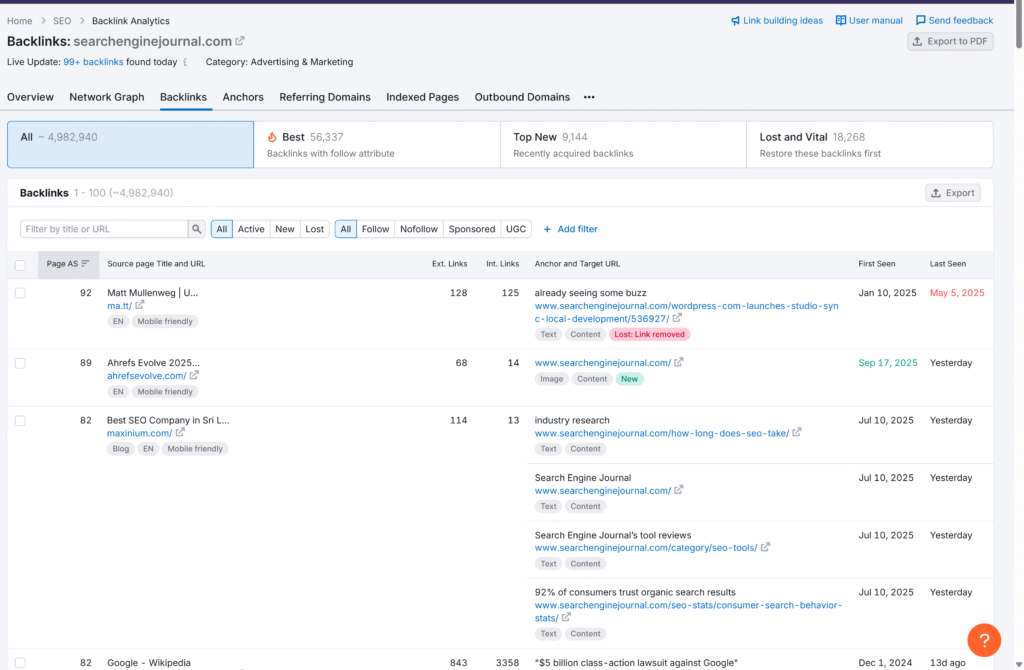
Links still matter. A lot. But the game has completely changed from the spray-and-pray tactics of 2010. One high-quality editorial link from a relevant site is worth more than 100 directory submissions or blog comment links.
Think about backlinks like professional references. Would you rather have one glowing recommendation from a respected industry leader or fifty generic endorsements from strangers? Google thinks the same way.
The strategies that actually work in 2025 require effort and genuine value creation. Digital PR, original research, and strategic partnerships beat paid link schemes every time. Create something link-worthy first, then promote it. Sounds simple, right?
5. Local SEO Implementation
Local SEO is where small businesses can absolutely demolish bigger competitors. Why? Because Google prioritizes proximity and relevance for local searches, and you can’t fake being the neighborhood expert.
Your Google Business Profile is mission-critical. Claim it, verify it, and optimize every field. Add photos weekly, respond to reviews within 24 hours, and keep your hours updated. This free tool drives more local traffic than most paid campaigns.
Local ranking factors that move the needle:
- NAP consistency (Name, Address, Phone) across all directories
- Location-specific landing pages for multi-location businesses
- Local schema markup on every relevant page
- Reviews on Google, Yelp, and industry-specific platforms
- Local backlinks from chambers of commerce, news sites, and community organizations
Essential SEO Tools and Setup
Google Search Console Configuration
Search Console is your direct line to Google, and it’s completely free. Yet 43% of small business websites aren’t even verified in GSC. That’s like flying blind when Google is literally telling you what’s wrong with your site.
Setting up Search Console takes about 12 minutes if you know what you’re doing. Verify your property through your domain provider for the cleanest setup. Don’t mess with HTML tags or file uploads unless you absolutely have to. Once verified, submit your sitemap and let Google do its initial crawl.
The reports you actually need to monitor:
“Focus on three metrics in Search Console: click-through rate by query, index coverage issues, and Core Web Vitals. Everything else is nice-to-have, but these three tell you exactly where you’re winning or losing.”
Google Analytics Implementation
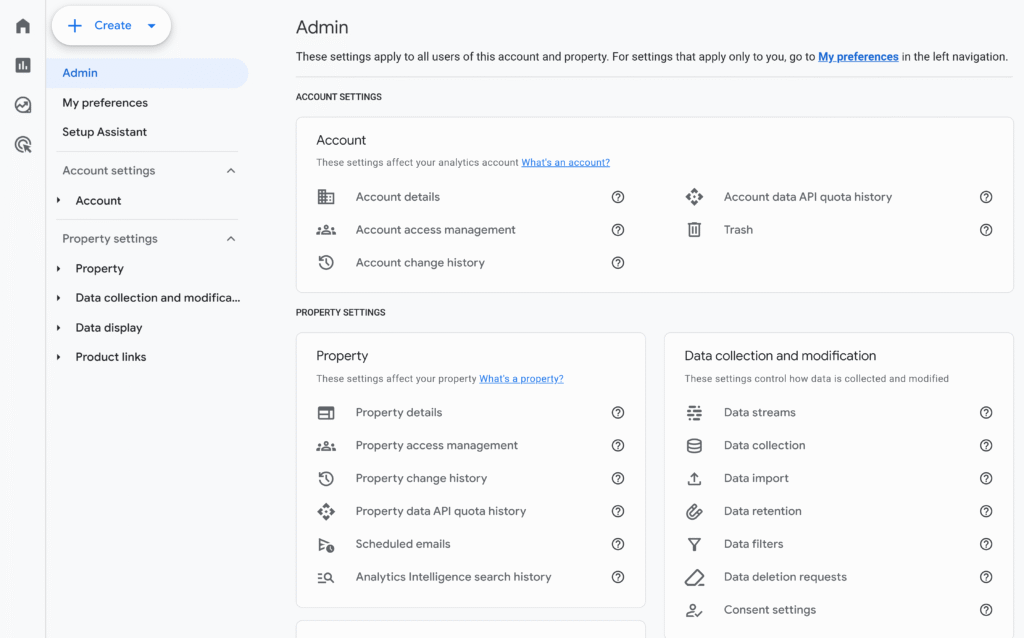
GA4 is a different beast from Universal Analytics, and most people still haven’t figured it out. The event-based model confuses everyone at first. Here’s the truth: you don’t need to track everything. Start with the basics and build from there.
Essential GA4 events to configure on day one: page views (automatic), scroll depth, outbound clicks, form submissions, and your primary conversion action. That’s it. You can add the fancy stuff later when you actually need it.
SEO Plugin Installation Guide
For WordPress sites, you need an SEO plugin. Period. Yoast and RankMath are the heavy hitters, and honestly? Both work fine. RankMath has more features in the free version, but Yoast is more beginner-friendly.
Don’t just install and forget. Configure these critical settings:
- XML sitemap generation (turn it on)
- Schema markup templates (use them)
- Meta title and description templates (customize for each post type)
- Breadcrumb navigation (enable for better site structure)
- Redirect manager (save your rankings when URLs change)
Keyword Research Tools Selection
Everyone wants the perfect keyword tool. Ahrefs costs $99/month minimum. SEMrush starts at $119. The difference is interface and additional features. Honestly, if you’re just starting out, try the free Google Keyword Planner.
Start there. Use it properly. Then upgrade when you’re actually making money from SEO. Most people buy expensive tools and use 5% of the features. Don’t be most people.
Rank Tracking Setup Process
Tracking rankings manually is masochistic. Set up automated tracking for your top 20-50 keywords and check weekly, not daily. Daily fluctuations will drive you insane and mean nothing. Weekly trends tell the real story.
Free option: Google Search Console’s Performance report. Paid option worth considering: Ahrefs or SEMrush for competitor tracking. Track your competitors’ rankings too – sometimes their drops are more valuable intel than your own gains.
Building Authority Through Backlinks
Quality vs Quantity in Link Building
The biggest myth in link building? More is better. I’ve seen sites with 10,000 backlinks get crushed by competitors with 200. Why? Because 9,800 of those links were garbage – forum profiles and blog comments and directory submissions that Google ignores or actively penalizes.
One link from a legitimate news site or industry publication can transform your rankings overnight. Ten thousand links from link farms and PBNs will get you a manual penalty. Choose wisely.
Earning Natural Editorial Links
Editorial links happen when another site genuinely wants to reference your content. No money changes hands. No link exchanges. Just pure value recognition. These are the gold standard, and they’re getting harder to earn because everyone’s content is getting better.
The secret? Become the source. Conduct original research and publish the data and create tools and resources and become the expert journalists want to quote. When you’re the primary source, the links follow naturally.
Content-Based Link Acquisition
Creating link-worthy content isn’t about going viral. It’s about solving problems so thoroughly that other sites have to reference you. Think ultimate guides, interactive tools, original studies, and controversial (but supported) takes on industry topics.
The content types that consistently earn links:
- Original research with surprising data
- Free tools that solve specific problems
- Comprehensive guides that become the definitive resource
- Visual assets like infographics and charts
- Controversial opinions backed by evidence
Relevance and Context Importance
A link from a plumbing blog to your digital marketing site? Worthless. Maybe even harmful. Google evaluates link context now, not just domain authority. The surrounding content, anchor text, and topical relevance all matter.
This is why niche-specific link building crushes generic strategies. Five links from industry blogs beat fifty links from random “accepting guest posts” sites. Every. Single. Time.
Avoiding Harmful Link Practices
Let’s be brutally honest about what not to do. Buying links from Fiverr? Google will catch you. Link exchanges where you trade links back and forth? Obvious and ineffective. PBNs (Private Blog Networks)? One algorithm update away from destroying your entire site.
The practices that will get you penalized:
| Harmful Practice | Why It Fails | What to Do Instead |
|---|---|---|
| Paid link schemes | Leaves obvious footprints | Invest in content and outreach |
| Comment spam | No-follow links with zero value | Engage genuinely in communities |
| Article directories | Devalued since 2011 | Guest post on real publications |
| Exact match anchor spam | Unnatural and obvious | Use varied, natural anchor text |
Mastering SEO Fundamentals for Long-Term Success
Here’s what nobody tells you about SEO: the fundamentals haven’t actually changed that much in the last decade. The tactics evolved, the algorithms got smarter, but the core principle remains identical – create valuable content for real people and make it easy for search engines to find and understand.
The sites winning in 2025 aren’t gaming the system. They’re building genuine authority through consistent execution of these SEO fundamentals. They fix their technical issues and optimize their on-page elements and create content worth reading and earn links worth having. Boring? Maybe. Effective? Absolutely.
Your next steps are clear. Audit your technical infrastructure this week. Fix the glaring issues before you do anything else. Set up Search Console and Analytics properly. Then start creating content that actually serves your audience, not just Google’s crawlers.
The path to SEO success isn’t a sprint or a hack or a secret formula. It’s a marathon of doing the right things consistently. Master these fundamentals, and you’ll outlast every competitor chasing the latest tricks.
Frequently Asked Questions
How long does it take to see results from SEO fundamentals?
Most sites see initial movement in 3-4 months, with significant results taking 6-12 months. But here’s the catch – it depends entirely on your competition and starting point. A local plumber in a small town might rank in weeks. An e-commerce site in a competitive niche? Budget a year. Anyone promising faster results is either lying or using tactics that will eventually backfire.
What are the most important ranking factors in 2025?
Google uses over 200 ranking factors, but five dominate everything else: content quality and depth, search intent match, Core Web Vitals (especially mobile speed), topical authority through comprehensive coverage, and genuine backlinks from relevant sites. E-A-T (Expertise, Authoritativeness, Trustworthiness) underlies everything, especially for YMYL (Your Money Your Life) topics.
Can you rank without backlinks in competitive niches?
Technically possible? Yes. Likely? No. You might grab some long-tail keywords, but competitive head terms require backlinks as a trust signal. The exception: ultra-local searches where proximity matters more than authority. But even then, the local business with quality backlinks usually wins.
How do I optimize for AI Overviews and voice search?
AI Overviews pull from pages that directly answer questions in clear, structured formats. Write your content with a direct answer in the first paragraph, then elaborate. For voice search, target conversational long-tail keywords and question phrases. Structure content with FAQ schemas and concise, speakable answers under 40 words for the best chance at voice snippet selection.
What’s the difference between local and traditional SEO?
Local SEO prioritizes geographic relevance and proximity signals. Your Google Business Profile matters more than your domain authority. Reviews, local citations, and location-specific content trump generic backlinks. Traditional SEO focuses on topical authority and can target national or global audiences. Local SEO is actually easier for small businesses – you’re competing with dozens of competitors, not thousands.

Ridam Khare is an SEO strategist with 7+ years of experience specializing in AI-driven content creation. He helps businesses scale high-quality blogs that rank, engage, and convert.