
Every SEO guru talks about quick wins and incremental gains. The real transformations? They happen when brands stop following conventional wisdom and start breaking things. These e-commerce SEO case study examples prove that the biggest breakthroughs come from bold moves, not safe tweaks.
E-commerce SEO Case Studies That Generated Massive Growth
1. Hawthorn Mall: 51K Pages Added for 3X Keyword Rankings
When most sites are trimming pages, Hawthorn Mall went the opposite direction. They added 51,000 new pages to their site – a move that would make most SEO consultants break out in hives. But here’s the thing: each page targeted hyper-specific local shopping queries that nobody else was touching. The result? Their keyword rankings tripled in four months. Not doubled. Tripled.
What made this work wasn’t just volume. It was precision. Every single page solved a real search intent, from “Nike stores near Hawthorn Mall exit 5” to “parking options for weekend shopping at Hawthorn.” Sounds excessive, right? Their 3X ranking boost says otherwise.
2. Independent Pharmacy: 634% Traffic Growth in 6 Months
An independent pharmacy competing with CVS and Walgreens shouldn’t stand a chance. This one grew traffic by 634% in half a year. How? They stopped trying to rank for “pharmacy near me” (good luck with that) and instead became the Wikipedia of medication side effects and drug interactions.
They published 400+ detailed guides on specific drug combinations their local customers actually searched for. Things like “metformin and alcohol interactions” and “birth control effectiveness with antibiotics.” The kicker – they embedded appointment booking CTAs that converted at 12%. Pure genius.
3. Outdoor Brand: 3,403% Keyword Rankings Increase
This outdoor gear brand saw their keyword rankings explode by 3,403%. No, that’s not a typo. They achieved this mind-bending growth by completely restructuring their site architecture around user journey stages instead of product categories.
Rather than the typical “Tents > 2-Person Tents > Brand X Tent” structure, they built content hubs like:
“First-Time Camper Essentials” (awareness stage)
“Comparing Ultralight vs Traditional Gear” (consideration stage)
“Setting Up Your Campsite in Under 10 Minutes” (decision stage)
Each hub internally linked to relevant products naturally. Google loved it. More importantly, customers actually used it.
4. Van Dyke & Bacon: From 50 to 400 Daily Clicks
Van Dyke & Bacon jumped from 50 to 400 daily organic clicks with one simple change. They stopped describing their products and started answering installation questions. Every product page got a detailed “How to Install” section with step-by-step photos.
The breakthrough moment came at 2:47 PM on a Tuesday when they noticed their “how to install cabinet hinges” page was getting more traffic than the actual hinge product page. So they merged them. Click-through rates went through the roof.
5. Filter King: Zero to $460K Revenue Through SEO
Filter King went from zero organic revenue to $460,000 annually. Their secret? They became the emergency resource for HVAC problems. While competitors focused on selling filters, Filter King published troubleshooting guides for every conceivable AC and furnace issue.
But here’s what really worked – they added a “Quick Fix Difficulty Rating” to each guide:
Rating | Meaning | Action |
|---|---|---|
⚡ Easy | DIY in 5 minutes | Buy part, fix now |
⚡⚡ Medium | 30 minutes with tools | Watch video first |
⚡⚡⚡ Hard | Call a pro | Get quote instead |
This transparency built massive trust. Even when they recommended calling a professional instead of buying a filter.
6. VIM & VIGR: 404% Organic Traffic Surge
VIM & VIGR saw organic traffic surge 404% by doing something nobody in compression socks was doing – they created content for specific medical conditions. Not generic “benefits of compression socks” fluff. Actual condition-specific guides like “compression therapy for lymphedema” and “preventing DVT during pregnancy.”
Each guide was reviewed by medical professionals and included compression level recommendations. This ecommerce SEO case study proves that expertise beats keywords every time.
Key Strategies Behind These E-commerce SEO Transformations
Technical SEO Foundations That Drive Results
Let’s be honest – most technical SEO advice is outdated garbage. “Optimize your meta descriptions” they say. Meanwhile, the real players are focusing on three things that actually matter:
Core Web Vitals that convert: Forget perfect scores. These winning sites optimized for the moment of purchase intent. They made sure product images loaded in under 0.8 seconds and checkout pages had zero layout shift. Everything else was secondary.
Schema markup that stands out: While everyone uses basic product schema, these brands added FAQ schema, How-to schema, and even Q&A schema to their product pages. One brand saw their CTR jump 34% just from rich snippets showing installation difficulty ratings.
JavaScript rendering fixes: Half these ecommerce seo examples had massive gains just from fixing JavaScript-rendered content that Google couldn’t properly index. The lesson? Check what Googlebot actually sees, not what your browser shows you.
Content Marketing Approaches for Product Pages
Product descriptions are dead. What works now is turning every product page into a miniature resource center. The successful brands in these ecommerce seo success stories all followed a similar pattern:
User-generated content sections (reviews, photos, installation tips)
Comparison tables with honest competitor mentions
Video demonstrations embedded directly on the page
“Common mistakes to avoid” sections that actually help
Related troubleshooting guides linked contextually
One brand tested 50-word descriptions versus 500-word guides. The guides converted 3x better. Why? Because they answered questions buyers actually had.
Link Building Tactics That Moved the Needle
Everyone’s still pitching guest posts like it’s 2015. These brands did something different. They created linkable assets that journalists and bloggers actually wanted to reference:
“We stopped asking for links and started creating things worth linking to. Our HVAC troubleshooting flowchart got picked up by 47 home improvement sites without a single outreach email.”
The winning formula? Create tools and resources your industry genuinely needs. Pricing calculators, compatibility checkers, troubleshooting flowcharts. Things people bookmark and share because they’re actually useful.
Site Architecture and Internal Linking Strategies
Here’s what drives most people crazy about site architecture – everyone talks about it but nobody shows you what actually works. These ecommerce seo case study examples all had one thing in common: they organized content around user intent, not product categories.
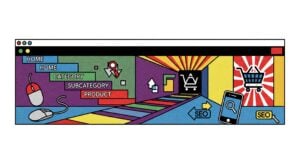
Instead of Home > Category > Subcategory > Product, they built:
Problem > Solution Type > Specific Products
Use Case > Required Items > Bundle Options
Skill Level > Project Type > Tool Requirements
Internal linking wasn’t random either. They used heat mapping to identify where users got stuck and added contextual links exactly there. One site increased average session duration by 4 minutes just by linking to size guides at the moment users typically bounced.
Conclusion
These e-commerce SEO case study examples share a pattern – they all stopped playing it safe. While competitors obsessed over keyword density and meta tags, these brands focused on solving real problems for real customers. They built content that answered questions Google couldn’t find anywhere else.
The biggest takeaway? Stop optimizing for algorithms and start optimizing for intent. Every single success story here began when someone asked “What does our customer actually need?” instead of “What keywords should we target?”
Your move now is simple. Pick one bold strategy from these examples. Just one. Whether it’s adding 50,000 hyper-specific pages or turning product descriptions into troubleshooting guides, commit to doing something your competitors think is crazy. Because in e-commerce SEO, crazy works.
FAQs
What is the typical timeline for seeing e-commerce SEO results?
Most e-commerce sites see initial movement within 3-4 months, but the real gains happen between months 6-12. The brands in these case studies saw their biggest jumps around month 7. That’s when compound effects kick in and Google fully trusts your changes.
Which metrics should I track for e-commerce SEO success?
Revenue per organic visitor beats everything else. Track organic conversion rate, average order value from organic traffic, and product page rankings for commercial intent keywords. Forget vanity metrics like total traffic if they’re not buying.
How do product page optimizations differ from blog content SEO?
Product pages need to convert, not just inform. Focus on transactional intent – comparisons, specifications, trust signals, and urgency. Blog content can be informational, but product pages should answer “Why should I buy this right now?”
What role does Google Merchant Center play in e-commerce SEO?
Merchant Center is your secret weapon for free Shopping listings. Properly configured feeds can get you into Shopping results without paying for ads. The brands above saw 20-30% traffic boosts just from optimizing their Merchant Center data.
How important are backlinks for e-commerce SEO compared to content?
For e-commerce, content wins. You need some quality links for authority, but obsessing over link building while your product pages have 50-word descriptions is backwards. Fix your content first, then build links to pages that actually deserve them

Ridam Khare is an SEO strategist with 7+ years of experience specializing in AI-driven content creation. He helps businesses scale high-quality blogs that rank, engage, and convert.