

Content briefs are the secret weapon behind successful SEO content that actually drives conversions. They’re the roadmap that guides writers, designers, and marketers to create content that resonates with both search engines and readers. But many content teams either skip this crucial step or create briefs that lack the strategic elements needed for success. A well-crafted content brief transforms vague ideas into actionable plans that align with business goals and audience needs. In this guide, we’ll walk through the step-by-step process of creating content briefs that set the foundation for high-performing content.
Start with goal-driven planning
Define your content objective
Every effective content brief starts with a clear objective. What do you want this specific piece of content to achieve? Are you aiming to educate prospects, generate leads, build brand awareness, or drive direct sales?
The best content isn’t storytelling. The best content is telling a true story well.
– Ann Handley, MarketingProfs
Get specific about your success metrics too. Will you measure pageviews, time on page, conversion rate, or something else? Including these metrics in your brief helps your content creators understand exactly what success looks like.
Select relevant SEO keywords
Keyword research is the backbone of your content brief. Start with broad seed keywords related to your topic, then use SEO tools to identify specific long-tail variations that match your audience’s search habits.
Consider:
- Search intent behind each keyword
- Keyword difficulty and your site’s ability to rank
- Relevance to your business and offerings
- Commercial value of the traffic these terms will bring
Your content brief should include primary and secondary keywords, with guidance on their placement and natural usage.
Map content to user intent
Understanding what users actually want when they search for your target keywords is crucial. Search intent typically falls into four categories:
- Informational: Seeking knowledge or answers
- Navigational: Looking for a specific website or page
- Commercial: Researching before making a purchase
- Transactional: Ready to buy or take action
Your content brief should explicitly state the primary intent you’re targeting and outline how to satisfy it.
Build the content brief framework
Outline structure by stage of intent
A strong content brief provides a clear structural outline that guides the content development process. Break down the content by sections that align with the user’s journey through the topic.
For each section in your outline, specify:
- The main heading (H2) and potential subheadings (H3s)
- Key points to cover
- Approximate word count targets
- Any specific examples or case studies to include
Set angle, format, tone, and funnel stage
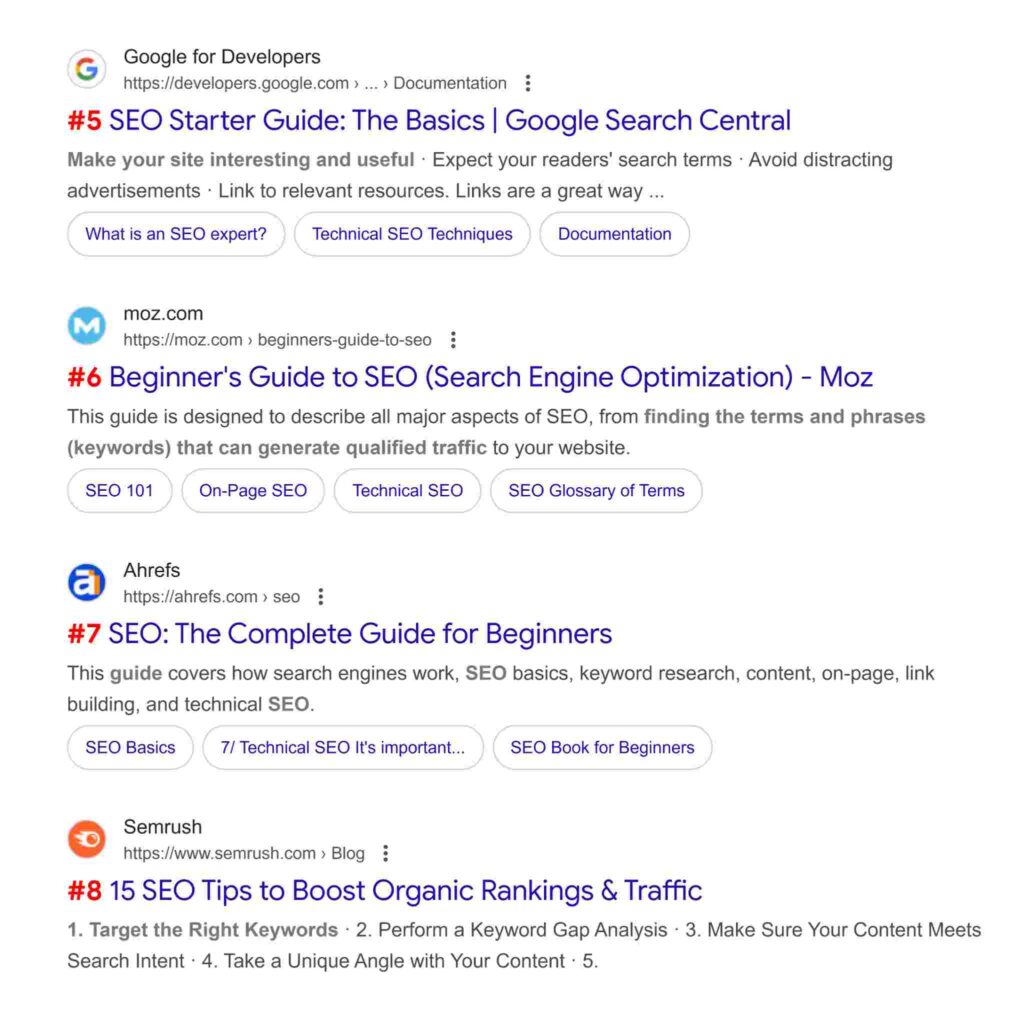
Your content brief should clearly establish the unique angle that will differentiate your content from competitors. Review top-ranking pages for your target keywords and identify gaps or fresh perspectives you can offer.
Specify the format that best serves your objective and audience, whether that’s a guide, list-based article, case study, or comparison.
The tone should align with your brand voice but can be adjusted based on the specific topic and audience segment.
Finally, identify where this content fits in your marketing funnel, as this affects the appropriate call-to-action and next steps for readers.
Include technical SEO and meta data checklist
A comprehensive content brief goes beyond just the body content to include technical SEO requirements. Create a checklist that includes:
- Title tag guidelines (character limits, keyword placement)
- Meta description requirements
- URL structure recommendations
- Header tag hierarchy and keyword inclusion
- Internal linking opportunities
- External linking policies
- Image requirements (number, type, alt text format)
- Schema markup needs for enhanced search results
Specify target audience and reading level
Your content brief should include a clear description of who the content is for. Instead of broad demographics, create a mini persona summary that content creators can visualize while writing.
Include details like:
- Knowledge level about the topic (beginner, intermediate, expert)
- Role or job title
- Primary challenges and goals
- How they make decisions
- Questions they typically ask
Specify the appropriate reading level for this audience to help content creators strike the right balance between simplicity and depth.
Align with your seo content strategy
Connect with your content planning guide
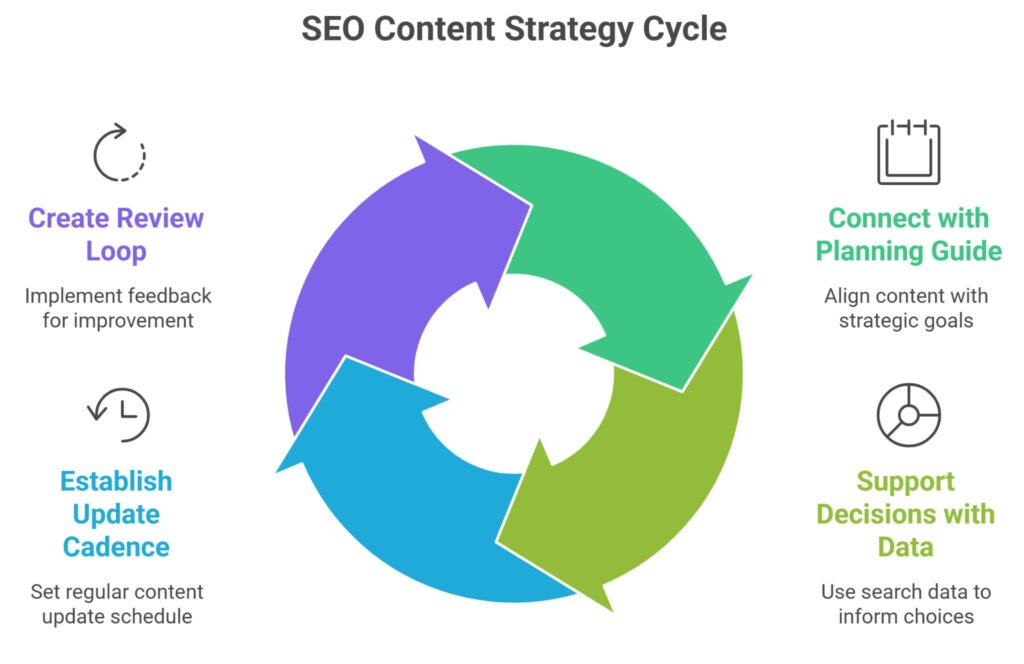
Your content brief doesn’t exist in isolation. It’s part of a broader content strategy. The brief should explicitly connect to your overall content planning guide by:
- Referencing related content pieces and how they interlink
- Explaining how this content supports broader campaigns or initiatives
- Identifying where it fits in your content calendar
- Noting any seasonal or timely considerations
This context helps content creators understand how their piece contributes to the bigger picture.
Back brief items with search data
Every element in your content brief should be informed by actual search data and competitive analysis, not just gut feeling. For key sections, include:
- The specific queries users ask related to that section
- How competitors address these points (and where they fall short)
- Relevant statistics or studies that should be cited
- Search volume for section-specific keywords
This data-driven approach helps content creators understand not just what to include, but why it matters from an SEO perspective.
Create update cadence and review loop
Content isn’t a “set it and forget it” asset. Your brief should establish the expected lifespan of the content and a schedule for reviews and updates.
Include guidance on:
- When to check for outdated information or statistics
- How to monitor performance against the original objectives
- Who’s responsible for updates and approvals
- What triggers an immediate update
This maintenance plan ensures your content remains relevant and continues to perform well in search results over time.
Conclusion: Finish with a functional brief ready to convert
A well-structured content brief is more than just a writing assignment. It’s a strategic document that aligns business goals, user needs, and search engine requirements. By starting with clear objectives, building a comprehensive framework, and aligning with your broader content strategy, you create briefs that guide the development of truly effective content.
The time invested in creating thorough content briefs pays off through more efficient content creation, stronger search performance, and ultimately, higher conversion rates. Whether you’re working with in-house teams or external creators, a functional content brief provides the foundation they need to deliver content that achieves your business goals.
FAQs:
What formats work best in a content brief for SEO?
The most effective content briefs include a mix of formats tailored to the specific project needs. At minimum, include a clear outline structure with H2s and H3s, a keyword strategy section, and technical SEO requirements. For more complex projects, add competitor analysis summaries, audience persona details, and content examples. The best format combines structure (bullet points, tables) with enough narrative context to explain the “why” behind each requirement.
How often should I revise my content brief as part of my content development process?
Content briefs should be reviewed at three key moments in the content development process: after initial stakeholder feedback, if significant roadblocks emerge during writing, and after the content has been published and performance data is available (typically 3-6 months). Beyond these points, establish a regular audit schedule—quarterly for high-traffic content in competitive industries, and annually for more stable content.
Can I use a template to speed up how to write a content brief?
Yes, templates can dramatically streamline your content brief creation process. Start with a basic template that includes sections for objectives, audience, keywords, structure, and technical requirements. Then customize it for different content types. The key is striking the right balance: too rigid, and your briefs won’t adapt to unique content needs; too loose, and you’ll miss critical elements.
What’s the role of the content brief in the seo content strategy?
The content brief serves as the critical bridge between high-level strategy and tactical execution in your SEO content approach. It translates your content planning guide into specific, actionable guidance for individual pieces. A well-crafted brief ensures that each content asset supports your keyword targets, fulfills specific user needs, and contributes to your overall content strategy.
What best content marketing practices support a winning content brief?
The most effective content briefs incorporate several best content marketing practices: they start with audience-centered thinking, they’re collaborative, they balance creativity with data, they include competitive analysis to identify gaps, and they connect to measurable outcomes with performance tracking to create a feedback loop for continuous improvement.

Ridam Khare is an SEO strategist with 7+ years of experience specializing in AI-driven content creation. He helps businesses scale high-quality blogs that rank, engage, and convert.