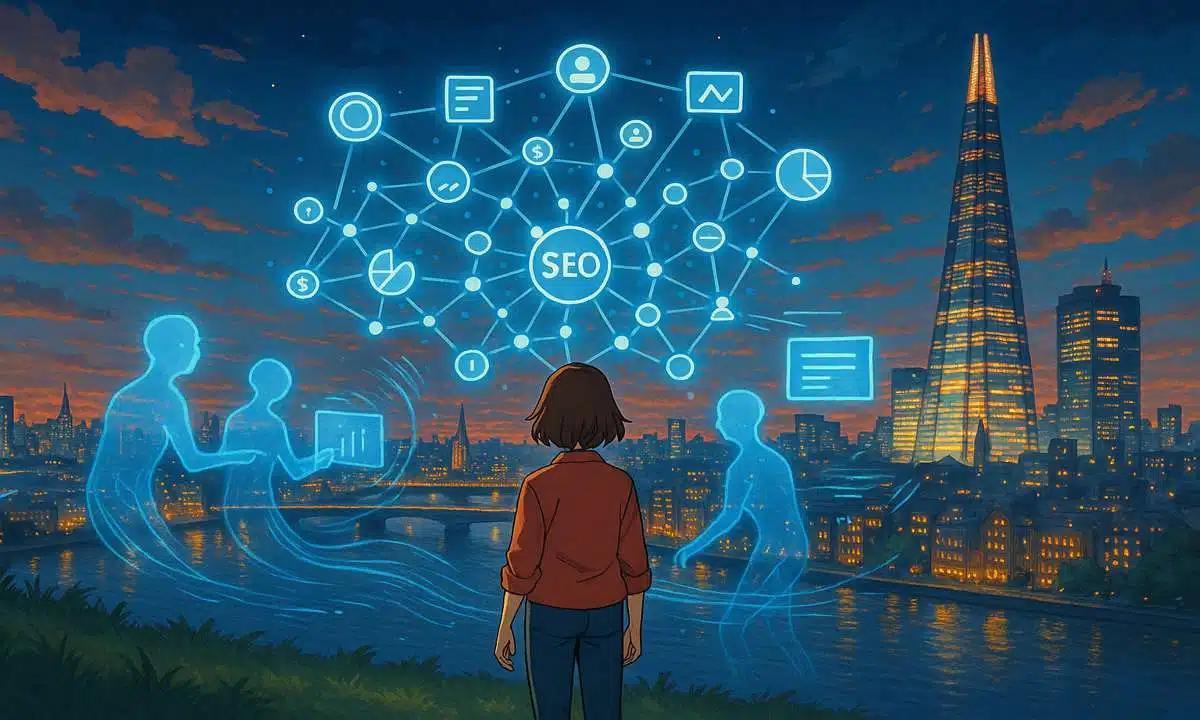
Traditional SEO relied heavily on keyword stuffing and link building—strategies that worked until search engines got smarter. Now, semantic SEO automation is revolutionizing how we approach content marketing by focusing on user intent and contextual relevance instead of just keywords. This shift represents not just a technical change but a fundamental rethinking of how search engines understand content and how marketers should create it. Let’s explore the tools leading this revolution and understand why semantic SEO differs so dramatically from its predecessor.
Top Semantic SEO Automation Tools Transforming Content Marketing
OTTO SEO – Complete One-Click Automation
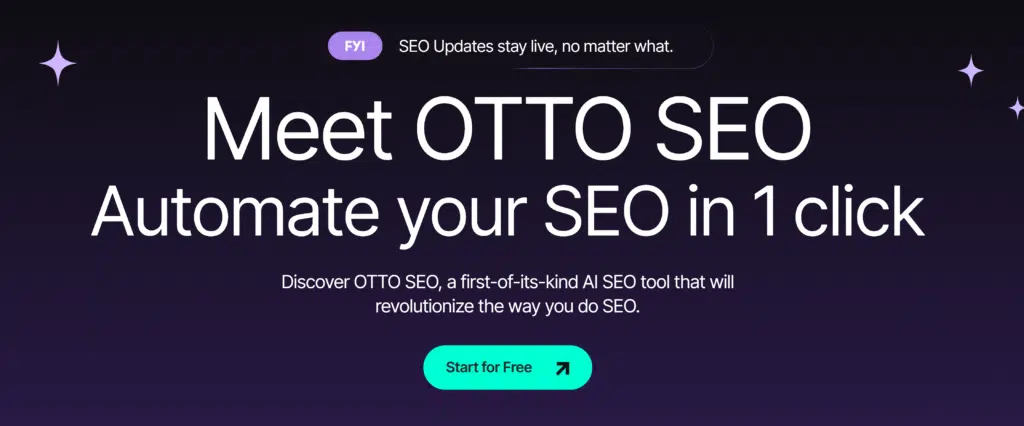
OTTO SEO stands out as one of the most comprehensive one-click automation platforms in the semantic SEO space. Unlike traditional tools that require manual keyword research and placement, OTTO analyzes search intent and automatically generates content recommendations that align with what users are actually looking for.
What makes OTTO unique is its ability to detect semantic relationships between topics without human intervention. You simply input your target topic, and the system builds a complete semantic map of related concepts, questions, and entities that should be covered in your content. This saves content teams hours of research while ensuring more thorough topic coverage.
SurferSEO – Real-Time Content Optimization
SurferSEO has transformed from a simple SERP analyzer into a powerful semantic optimization platform. Its real-time content editor examines top-performing pages and provides immediate feedback as you write, suggesting semantic keywords and concepts that should be included to establish topical authority.
The tool’s strength lies in its NLP (Natural Language Processing) capabilities that identify not just keywords but related terms and concepts that demonstrate expertise to search engines. Content creators can watch their content scores improve in real-time as they enhance semantic relevance, making the optimization process interactive rather than reactive.
MarketMuse – AI-Powered Semantic Mapping
MarketMuse pioneered the concept of AI-powered content planning with its comprehensive semantic mapping capabilities. The platform builds detailed content briefs based on semantic analysis of top-performing content in your industry.
What sets MarketMuse apart is its depth of analysis. It doesn’t just identify keywords but constructs entire content models showing the relationships between topics. This helps content teams create comprehensive resource hubs that address user needs from multiple angles – precisely what search engines now reward with higher rankings.
SEMrush – Comprehensive Semantic Analysis
SEMrush has evolved beyond its keyword research roots to offer sophisticated semantic analysis tools. Its Topic Research feature identifies semantically related subtopics, questions, and headline ideas based on your primary topic.
The SEO Content Template tool automatically analyzes top-ranking pages for a given keyword and suggests semantically related keywords, readability targets, and text length. This integrated approach helps content teams align their work with semantic search patterns without having to manually research every related concept.
Frase – Natural Language Processing Tool
Frase has quickly become a favorite among content marketers for its powerful natural language processing capabilities. The tool automatically analyzes search results and extracts key topics, questions, and concepts that should be addressed in your content.
What makes Frase stand out is its AI-powered content creation assistant that helps writers expand on topics with semantically relevant information. The platform also generates question-and-answer pairs based on what users are actually asking about your topic, helping content address real user intent rather than just matching keywords.
Schema Markup Automation Platforms
Schema markup helps search engines understand the context and relationships in your content, making it a crucial component of semantic SEO. Automation platforms like Schema App and WordLift automatically identify entities in your content and generate appropriate schema markup.
These tools can identify people, places, events, products, and other entities within your content and mark them up appropriately. This structured data helps search engines connect your content to their knowledge graphs, improving visibility in rich results and establishing topical authority without manual coding.
Key Differences Between Semantic SEO and Traditional SEO
Intent-Based vs Keyword-Based Optimization
Traditional SEO focused primarily on keyword placement – ensuring target phrases appeared in titles, headings, and throughout the content at specific densities. Semantic SEO flips this approach by prioritizing user intent over specific keyword matches.
Content is what the search engines use to fulfill user intent.
— Dave Davies, Co-founder of Beanstalk Internet Marketing
Modern semantic tools analyze what users actually want to accomplish when they search for a term – whether they’re looking to buy something, learn information, or solve a problem. Content is then optimized to address this intent comprehensively rather than just including target keywords. This means one well-crafted, intent-focused page can rank for hundreds of related searches without specifically targeting each keyword.
Topic Clusters vs Individual Page Strategy
Traditional SEO often treated each page as an independent unit optimized for specific keywords. Semantic SEO recognizes that search engines now evaluate content within the broader context of your site’s topical authority.
The topic cluster model – organizing content around pillar pages with supporting cluster content – has become essential for semantic SEO. This approach creates a web of semantically related content that establishes expertise on a subject, rather than isolated pages competing for individual keywords. Search engines reward this comprehensive coverage with higher rankings across the entire topic area.
Entity Recognition vs Exact Match Keywords
Where traditional SEO obsessed over exact keyword matches, semantic SEO focuses on entity recognition – identifying the people, places, concepts, and objects that give meaning to content. Search engines now understand synonyms, variations, and related concepts.
Semantic SEO tools help identify entities relevant to your topic and suggest ways to establish clear relationships between them in your content. This approach creates content that reads naturally while still being perfectly optimized for search engines that understand concepts rather than just matching strings of text.
Contextual Relevance vs Keyword Density
Traditional SEO relied on keyword density – the percentage of times a keyword appeared in content. Semantic SEO focuses instead on contextual relevance – how comprehensively the content covers a topic and related concepts.
Rather than mechanically inserting keywords, semantic SEO tools help writers develop comprehensive content that naturally includes related terms, answers common questions, and addresses different aspects of a topic. This creates content that satisfies user needs more effectively while also ranking for a wider range of relevant searches.
Future of Content Marketing with Semantic SEO Automation
The future of content marketing will be increasingly defined by semantic SEO automation tools that bridge the gap between creator intent and user needs. As these tools become more sophisticated, we’ll see a shift from producing high volumes of keyword-targeted content toward creating fewer but more comprehensive resources that address topics from multiple angles.
Content creation will become more about demonstrating expertise and less about technical optimization tricks. Writers who embrace semantic tools will be able to focus more on quality and depth while letting automation handle the technical aspects of ensuring search visibility.
Ultimately, semantic SEO automation will lead to better content experiences for users. When content is created to genuinely address user needs rather than just rank for keywords, everyone wins – users find better information, brands build genuine authority, and search engines deliver more relevant results. The businesses that adapt quickly to this semantic approach will enjoy a significant competitive advantage in the coming years.
FAQs
What is semantic SEO automation and how does it work?
Semantic SEO automation uses artificial intelligence and natural language processing to analyze how search engines understand content meaning and context. These tools identify related concepts, entities, and questions about your topic, then recommend how to structure content to demonstrate expertise. Unlike manual SEO, which relies on human research, semantic automation continuously adapts to changing search patterns and provides real-time optimization suggestions based on comprehensive topic analysis.
Which semantic SEO tools provide the best ROI for small businesses?
For small businesses with limited budgets, SurferSEO and Frase typically provide the best ROI among semantic tools. Both offer affordable entry-level plans with core semantic features like content scoring, topic suggestions, and SERP analysis. SurferSEO excels at real-time optimization guidance, while Frase offers stronger content research capabilities. Small businesses should start with one of these tools before considering more expensive options like MarketMuse, which delivers deeper analysis but at a higher price point.
How long does it take to see results from semantic SEO automation?
Results from semantic SEO automation typically begin appearing within 4-8 weeks, but comprehensive benefits develop over 3-6 months. Initial improvements often show up as better rankings for long-tail queries and featured snippet placements. Websites that implement semantic optimization site-wide, using topic clusters and entity relationships, generally see more substantial growth in organic traffic compared to those only optimizing individual pages. The timeline varies based on competition, update frequency, and existing site authority.
Can semantic SEO automation replace manual content optimization?
Semantic SEO automation significantly reduces manual optimization work but can’t completely replace human judgment. Today’s tools excel at identifying related topics, suggesting content structure, and highlighting semantic gaps, but they can’t fully assess content quality, brand voice, or strategic priorities. The most effective approach combines automation for research and technical aspects with human expertise for creativity, storytelling, and strategic decision-making. This hybrid approach typically produces better results than either automation or manual methods alone.
What are the essential features to look for in semantic SEO tools?
The most valuable semantic SEO tool features include topic modeling (identifying related concepts and entities), competitor content analysis, real-time content scoring, question research capabilities, and schema markup recommendations. Advanced tools should also offer content gap analysis comparing your coverage against competitors and provide specific suggestions for improving topical authority. Look for tools that integrate with your content management system and provide actionable recommendations rather than just raw data that requires interpretation.

Ridam Khare is an SEO strategist with 7+ years of experience specializing in AI-driven content creation. He helps businesses scale high-quality blogs that rank, engage, and convert.