

SEO outreach has evolved beyond simple link requests to become a multi-faceted strategic discipline. The digital landscape of 2025 demands smarter approaches, deeper relationship building, and quality-focused tactics that cut through the noise. Let’s dive into the strategies and techniques that are actually moving the needle for brands serious about their search visibility.
Top SEO Outreach Strategies for 2025
1. Digital PR and Brand Mentions
The line between traditional PR and SEO outreach has completely dissolved. Smart marketers now approach journalists and publishers with newsworthy angles instead of link requests. This shift works because it targets what publishers actually want – compelling stories their audiences will engage with.
What makes this approach powerful is its focus on brand visibility first, with links as a natural byproduct. Try pitching original research, industry trends analysis, or expert commentary on current events to secure high-value placements that boost both brand authority and search rankings.
2. AI-Driven Outreach Tools
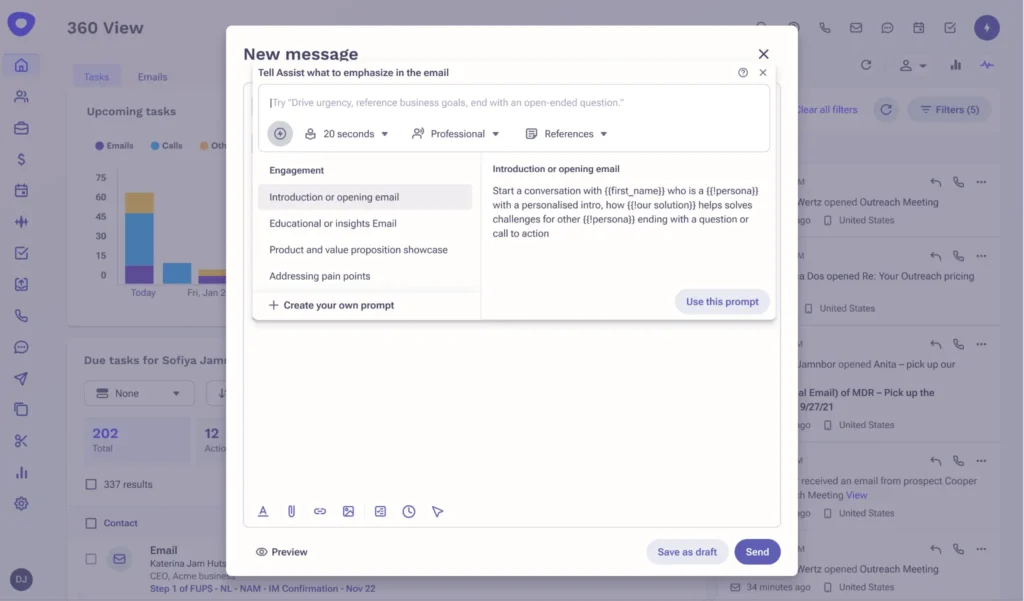
AI tools have transformed from simple email automation to sophisticated outreach partners. The best systems now analyze prospect websites to identify content gaps, suggest personalized pitch angles, and even predict response likelihood based on historical data patterns.
Look for platforms that offer smart segmentation, personalized content recommendations, and response analysis. These tools save time on repetitive tasks while helping you craft more relevant pitches – giving you the best of both worlds between scale and personalization.
3. Personalized Email Campaigns
Generic email blasts are dead. Successful outreach now requires hyper-personalization based on a prospect’s content history, engagement patterns, and specific needs. The key difference is researching before reaching out.
Try these personalization tactics:
- Reference specific content they’ve published (with genuine commentary)
- Connect your pitch to their audience’s needs or pain points
- Offer exclusive data or insights relevant to their recent work
- Mention a mutual connection or shared interest when appropriate
4. Podcast and Media Outreach
Podcasts continue to explode in popularity, creating golden opportunities for SEO outreach. Appearing as a guest expert provides brand exposure, backlinks from show notes, and content that can be repurposed across multiple channels.
The trick is matching your expertise to the right shows. Start with industry-specific podcasts where your knowledge adds clear value, then graduate to larger platforms as you build a track record of compelling interviews.
5. Community and Forum Engagement
Niche communities like Reddit, specialized Slack groups, and industry forums remain underutilized outreach goldmines. The key is becoming a genuine contributor first, then strategically sharing valuable content when relevant.
This approach works because it builds trust before asking for anything in return. Be patient – contribute value for at least 2-3 weeks before sharing your own content, and make sure what you share genuinely helps solve problems being discussed.
Essential Link Building Techniques
1. Quality-First Approach
The days of chasing link quantity are firmly behind us. Search algorithms have gotten scary good at identifying artificial link patterns and low-quality sources. A single link from an authoritative, relevant site now outperforms dozens from mediocre ones.
The best source of a link is a website that is both considered authoritative and relevant to your website.
— Helen Pollitt, Lead SEO at Arrows Up
Focus on securing placements on sites that:
- Have established domain authority in your specific niche
- Generate genuine traffic and engagement
- Publish content that logically connects to yours
- Have strict editorial standards (yes, harder to get, but worth it)
2. Competitor Gap Analysis
One of the most efficient link building approaches is analyzing where your competitors are getting links that you’re missing. This ready-made roadmap reveals opportunities where similar content has already been deemed link-worthy.
Use tools like Ahrefs, Semrush or Majestic to identify domains linking to multiple competitors but not to you. These represent your highest-probability outreach targets, as they’ve already shown interest in your industry.
3. Broken Link Recovery
Finding broken links on relevant websites and offering your content as a replacement remains effective because you’re solving a problem for the site owner. The tactic has evolved to focus on quality over quantity.
For best results, search for broken links specifically on resource pages and within authoritative, comprehensive guides where maintaining functional links matters most to the publisher.
4. Local Link Building
For businesses with physical locations, local link building delivers outsized impact. Local news sites, business directories, chambers of commerce, and community organizations all provide relevant link opportunities with relatively low competition.
The local angle gives you a natural connection that makes outreach more effective. Try sponsoring local events, providing expert commentary to local journalists, or creating location-specific resources to secure these valuable links.
5. Unlinked Brand Mentions
Finding instances where your brand is mentioned but not linked represents low-hanging fruit. These publishers have already demonstrated they find your brand mention-worthy, making the link request a natural follow-up.
Set up brand monitoring alerts to catch new mentions quickly, then reach out with a friendly, no-pressure request to convert the mention to a link while the content is still fresh.
Maximizing Blogger Outreach Services
Manual vs Automated Approaches
The most effective outreach combines automation for scaling repetitive tasks with manual touches for relationship building. Use automation for:
- Initial prospect identification and filtering
- Email delivery and follow-up scheduling
- Response tracking and campaign analytics
But keep these elements manual:
- Final prospect qualification review
- Email personalization and customized pitches
- Relationship nurturing and negotiation
Finding High-Authority Targets
Look beyond simple domain authority metrics when identifying outreach targets. What matters more is relevance, audience engagement, and the site’s editorial standards.
The best targets typically have:
- Content that consistently generates social shares and comments
- A focused topical theme related to your industry
- Regular publishing schedules (showing active management)
- Selective linking practices (they don’t link to everything)
Crafting Compelling Pitches
Successful pitches address the recipient’s needs first, not yours. They answer the critical question: “What’s in it for them?” while demonstrating you’ve done your homework.
High-converting pitches typically:
- Lead with a specific, personalized observation about their content
- Clearly explain how your contribution adds unique value
- Include proof of your expertise or content quality
- Make a specific, actionable request (not a vague “opportunity”)
Building Long-Term Relationships
The highest ROI comes from developing ongoing relationships with key publishers, not one-off placements. Treat each successful placement as the beginning of a partnership rather than the end of a transaction.
After securing a placement, follow up with social shares, thoughtful comments, and occasional check-ins. When you have new content or opportunities, you’ll have a warm connection that dramatically improves response rates.
Advanced Content-Based Link Strategies
Resource Page Link Building
Resource pages exist specifically to link to helpful content, making them perfect outreach targets. The key is matching your content precisely to the page’s theme and demonstrating clear value for their audience.
Search for resource pages using queries like “[your topic] + resources” or “[your topic] + helpful links” and evaluate the existing links to understand what type of content the curator values before pitching.
Skyscraper Technique 2.0
The original Skyscraper Technique (creating content that improves on existing popular pieces) still works, but with crucial updates. Today’s version requires going beyond simply making content “bigger” to making it more useful, actionable, or accessible.
Focus on specific improvements like:
- Adding original research or proprietary data
- Creating interactive elements or tools
- Offering unique expertise missing from existing pieces
- Making complex information more digestible through better design
Guest Blogging Best Practices
Guest blogging remains effective when approached as content collaboration rather than link building. The focus should be on providing genuine value to the publisher’s audience, not just securing a backlink.
The most successful guest posts:
- Contain insights not found elsewhere on the publisher’s site
- Include custom graphics or original data
- Match the publisher’s style while adding your unique perspective
- Naturally incorporate links where they add genuine value
Creating Linkable Assets
Not all content attracts links equally. Certain formats consistently outperform standard blog posts when it comes to natural link attraction.
The most linkable formats for 2025 include:
- Original research studies with unexpected findings
- Interactive tools that solve specific industry problems
- Comprehensive, visually rich guides that become reference resources
- Data visualizations that make complex information instantly understandable
Conclusion: Building Your SEO Outreach Success
Effective SEO outreach in 2025 requires a strategic blend of relationship building, content excellence, and technical precision. The most successful programs focus on creating genuine value for prospects rather than simply asking for links.
By implementing these strategies systematically while constantly measuring results, you can build a sustainable outreach program that delivers long-term SEO benefits. Remember that consistency matters more than volume – a steady approach focused on quality will outperform sporadic high-volume campaigns every time.
FAQs
What is the average cost of high-quality backlinks in 2025?
High-quality backlinks from reputable sites typically range from $500-$2,500 per placement in 2025, depending on the site’s authority and industry. However, the most valuable links aren’t purchased directly but earned through exceptional content and relationship building. Instead of budgeting for link buying, invest in content creation and outreach resources to secure editorial links that provide sustainable value.
How do I measure the success of my outreach campaigns?
Look beyond simple link counts to measure true outreach success. Track these metrics: placement quality (domain authority, relevance, traffic), referral traffic generated, keyword ranking improvements for targeted terms, and conversion rates from referral sources. The most telling metric is often the ratio of successful placements to outreach attempts, as improving this efficiency directly impacts your ROI.
Which outreach tools provide the best ROI for small businesses?
Small businesses should prioritize multi-function tools that combine prospecting, email outreach, and tracking capabilities. Platforms like Pitchbox, BuzzStream, and Respona offer comprehensive functionality at reasonable price points. For tighter budgets, combining Hunter.io for email finding, Mailshake for outreach, and Ahrefs for prospecting creates an effective tech stack without breaking the bank.
Should I focus on quantity or quality when building links?
Quality wins decisively over quantity in modern SEO. Five links from highly relevant, authoritative sources will drive more ranking improvements than 50 mediocre placements. Focus your resources on securing placements that combine topical relevance, strong domain authority, and placement on pages that receive actual human traffic. These quality signals carry significantly more weight in current search algorithms.
How often should I follow up on outreach emails?
The optimal follow-up schedule includes 2-3 attempts spaced 3-7 days apart, with each message adding new value rather than simply asking “did you see my email?” First follow-ups perform best when sent 3-4 days after the initial contact, ideally at a different time of day. Stop after the third attempt to avoid damaging relationships. Track response rates by day and time to optimize your specific outreach schedule.

Ridam Khare is an SEO strategist with 7+ years of experience specializing in AI-driven content creation. He helps businesses scale high-quality blogs that rank, engage, and convert.